Electric Vehicles (EVs) Information Hub: Overview, Explanation, Insights, and Advice
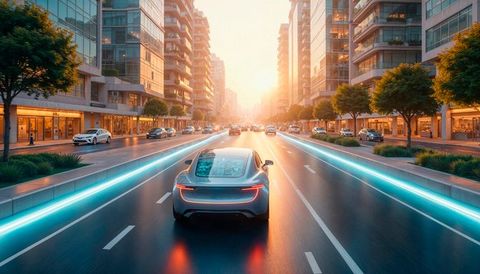
Electric vehicles (EVs) are cars powered by electricity rather than traditional fuels. They use rechargeable batteries and electric motors to move, reducing reliance on fossil fuels. As more people consider EVs, the need for clear information about charging systems—such as a car charger, car fast charger, auto charger, car charger outlet, home car charger, and electric car charger—has grown.
Charging infrastructure is a central part of how EVs function. Unlike conventional vehicles that rely on fuel stations, EVs depend on a network of charging points. These include public stations and private setups at homes or workplaces. Over time, improvements in battery technology and charging speeds have made EVs more practical for everyday use.
The concept of EV charging may seem complex at first, but it follows a straightforward principle: electricity flows from a power source into a battery through a compatible charger. The type of charger and its speed determine how quickly a vehicle can be ready for use again.
Importance
Everyday Convenience and Accessibility
EV charging directly affects how convenient it is to own and operate an electric vehicle. A home car charger allows users to charge overnight, while public electric car charger stations support longer trips. Without accessible charging, EV adoption becomes more challenging.
Environmental and Energy Impact
EVs are often associated with lower emissions compared to traditional vehicles. Charging systems play a role in this by enabling the use of electricity from renewable sources. As energy grids incorporate more solar and wind power, EV charging can become part of a broader environmental strategy.
Addressing Range and Charging Concerns
One common concern is “range anxiety,” or the fear that a vehicle will run out of charge before reaching a charging point. The availability of car fast charger stations helps address this issue by reducing charging time during travel.
Key challenges that charging infrastructure helps solve include:
- Limited driving range, addressed through faster charging options
- Lack of home access to charging, supported by public networks
- Charging compatibility, improved through standardized connectors
Supporting Urban and Rural Mobility
Charging solutions are expanding in both cities and less populated areas. Urban regions often have more public stations, while rural areas increasingly rely on home car charger setups. This balance helps ensure that EVs are practical across different environments.
Recent Updates
Expansion of Charging Networks
Between 2024 and 2026, many countries have continued to expand public charging networks. More car charger outlet points are being installed in parking areas, highways, and commercial spaces. This expansion aims to reduce waiting times and improve accessibility.
Faster Charging Technologies
Advancements in car fast charger technology have reduced charging times significantly. Some modern chargers can provide substantial battery capacity within a short duration, making long-distance travel more manageable.
Smart Charging and Connectivity
Newer charging systems include smart features such as:
- Mobile app integration for monitoring charging sessions
- Scheduling options to charge during off-peak hours
- Real-time availability tracking for public chargers
These features make the use of an electric car charger more efficient and predictable.
Standardization Efforts
Efforts are ongoing to standardize connectors and charging protocols. This helps ensure that different EV models can use the same auto charger infrastructure, reducing confusion for users.
Integration with Renewable Energy
Charging stations are increasingly being paired with renewable energy sources. Some home car charger systems are compatible with rooftop solar panels, allowing users to charge vehicles using locally generated electricity.
Laws or Policies
Government Incentives and Programs
Many governments have introduced policies to support EV adoption. These may include incentives for installing a home car charger or expanding public charging networks. The aim is to make EV ownership more accessible and practical.
Building and Infrastructure Regulations
In some regions, new residential and commercial buildings are required to include provisions for EV charging. This can involve installing a car charger outlet or preparing electrical systems for future upgrades.
Standardization and Safety Rules
Regulations often define safety standards for electric car charger systems. These include guidelines for electrical connections, installation practices, and equipment certification. Such rules help ensure safe and reliable charging.
Public Charging Policies
Governments may also regulate public charging networks by:
- Setting pricing transparency requirements
- Mandating interoperability between charging providers
- Supporting the development of highway charging corridors
These policies aim to create a consistent experience for EV users.
Environmental Targets
EV charging infrastructure is often linked to broader environmental goals. Policies may encourage the use of renewable energy in charging networks or set targets for reducing emissions from transportation.
Tools and Resources
Charging Station Locators
Digital maps and mobile apps help users find nearby electric car charger stations. These tools often provide details such as:
- Location and distance
- Charger type (standard or fast)
- Availability status
Examples include navigation apps with built-in EV features and dedicated charging network platforms.
Home Charging Calculators
Online calculators estimate charging time based on battery size and charger type. They help users understand how long a home car charger might take to fully charge a vehicle.
Manufacturer Guides
Vehicle manufacturers provide manuals and online resources explaining how to use a car charger, including compatibility with different charger types and recommended charging practices.
Energy Monitoring Tools
Some systems allow users to track electricity usage during charging. These tools can help manage energy consumption and understand charging patterns.
Comparison Table: Types of EV Chargers
| Charger Type | Typical Location | Charging Speed | Common Use Case |
|---|---|---|---|
| Level 1 (Standard) | Home (basic outlet) | Slow | Overnight charging |
| Level 2 | Home and public areas | Moderate | Daily use and routine charging |
| DC Fast Charger | Highways, stations | Fast | Long-distance travel |
This table shows how different charger types serve different needs, from basic home setups to rapid charging on highways.
FAQs
What is a car fast charger and how does it work?
A car fast charger is a high-powered charging system that delivers electricity directly to an EV battery at a faster rate than standard chargers. It is commonly used at public stations and is designed for shorter charging sessions during travel.
Can I install a home car charger easily?
Installing a home car charger typically involves connecting a dedicated unit to your home’s electrical system. It may require professional installation to ensure compatibility and safety, depending on local regulations and electrical capacity.
What is the difference between an auto charger and a standard charger?
An auto charger generally refers to any device used to charge an electric vehicle, while a standard charger usually indicates a slower charging option, such as a basic home outlet. The main difference lies in charging speed and power output.
Where can I find a car charger outlet near me?
Car charger outlet locations can be found using mobile apps, navigation systems, or online maps designed for EV users. These tools show nearby charging points along with details about availability and charger type.
How long does an electric car charger take to charge a vehicle?
Charging time depends on factors such as battery size, charger type, and power output. A home car charger may take several hours, while a car fast charger can significantly reduce this time.
Conclusion
Electric vehicles rely on a range of charging solutions, from basic home setups to advanced fast-charging stations. Understanding how a car charger, car fast charger, and electric car charger function helps make EV use more practical. As infrastructure expands and technology improves, charging is becoming more accessible and efficient. Policies and tools continue to support this transition, shaping how people interact with EV systems. Overall, charging infrastructure plays a central role in the broader adoption of electric mobility.