Explore EV vs Petrol vs Diesel Cars: Guide to Differences, Information, and Facts
The discussion around EV vs petrol vs diesel cars has grown as transportation technology evolves and environmental concerns become more visible. Traditionally, petrol and diesel cars have powered personal mobility for decades, using internal combustion engines that burn fuel to generate energy. Electric vehicles (EVs), on the other hand, rely on electricity stored in batteries and use electric motors instead of engines.
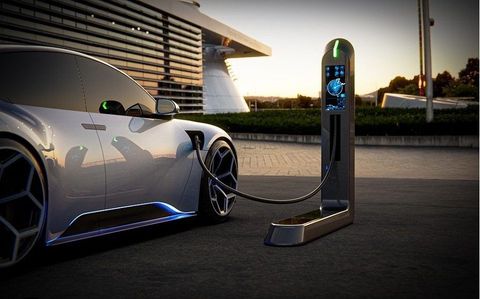
The rise of electric mobility is tied to advancements in battery technology, concerns about air pollution, and the need to reduce dependence on fossil fuels. Alongside this shift, infrastructure such as the portable EV charger, portable electric car charger, and public dc fast charger networks has expanded to support EV adoption. As a result, many people now compare electric vs petrol vs diesel car options to understand how they differ in everyday use.
Understanding these differences helps individuals make informed decisions about transportation that align with their needs, driving patterns, and available infrastructure.
Importance
The comparison of electric vs petrol vs diesel car options matters because transportation plays a significant role in daily life. It affects commuting, long-distance travel, and overall convenience. At the same time, it has a direct impact on air quality and energy consumption.
For individuals, the choice between vehicle types can influence:
- Daily driving experience: EVs are generally quieter, while petrol and diesel cars produce engine noise and vibrations.
- Refueling or charging habits: Petrol and diesel vehicles require fuel stations, whereas EVs can be charged at home or through public charging points.
- Maintenance patterns: Electric cars typically have fewer moving parts compared to combustion engine vehicles.
For cities and communities, the shift toward EVs is often linked to reducing emissions and improving urban air quality. Governments and organizations are exploring how to balance infrastructure development, energy supply, and transportation needs.
The topic also addresses practical concerns such as charging availability, range, and compatibility with tools like a portable electric car charger, which allows users to charge vehicles in different locations without relying entirely on fixed charging stations.
Recent Updates
Between 2024 and 2026, several trends have shaped the conversation around EV vs petrol vs diesel cars.
One major development is the expansion of charging infrastructure. Public networks now include more dc fast charger stations, which can recharge EV batteries significantly faster than standard chargers. This has reduced concerns about long-distance travel for EV users.
Another trend is the increasing availability of portable EV charger solutions. These devices allow users to connect their vehicles to standard power outlets or alternative sources, offering flexibility in areas where charging stations are limited.
Automakers have also introduced a wider range of electric vehicles across different segments, from compact cars to larger utility vehicles. At the same time, improvements in battery efficiency have extended driving range for many EV models.
Petrol and diesel vehicles have also seen changes, particularly in emission control technologies. Stricter standards have led to cleaner engines, although they still rely on fossil fuels.
Hybrid vehicles, which combine electric and fuel-based systems, have gained attention as an intermediate option in the electric car vs diesel car and petrol comparison landscape.
Laws or Policies
Government policies play a significant role in shaping the adoption of electric and conventional vehicles. In India and many other countries, regulations focus on emissions, energy use, and infrastructure development.
Key policy areas include:
- Emission standards: Regulations such as Bharat Stage VI (BS6) norms limit pollutants from petrol and diesel vehicles, encouraging cleaner technologies.
- Incentive programs: Initiatives like the Faster Adoption and Manufacturing of Electric Vehicles (FAME) scheme support EV adoption through financial and infrastructure measures.
- Charging infrastructure guidelines: Governments have introduced policies to standardize charging systems, including the use of dc fast charger networks and safety requirements for portable electric car charger devices.
- Urban transport policies: Some cities promote electric mobility through dedicated zones, parking benefits, or reduced restrictions for EVs.
These policies aim to balance environmental goals with practical transportation needs, influencing how individuals and industries approach the electric vs petrol vs diesel car comparison.
Tools and Resources
A variety of tools and resources are available to help individuals understand and compare vehicle options.
Online comparison platforms provide side-by-side analysis of electric, petrol, and diesel cars, covering factors such as range, energy consumption, and maintenance requirements.
Charging network apps help EV users locate nearby stations, including dc fast charger points. These apps often display real-time availability and compatibility information.
Energy consumption calculators allow users to estimate electricity usage for EV charging. While exact figures vary, these tools give a general idea of how often charging may be needed.
Portable charging equipment, such as a portable EV charger, can be useful in situations where fixed infrastructure is unavailable. These devices are designed for flexibility and can connect to various power sources, depending on compatibility and safety standards.
Below is a simple comparison table highlighting key differences:
| Feature | Electric Cars (EVs) | Petrol Cars | Diesel Cars |
|---|---|---|---|
| Energy Source | Electricity (battery) | Petrol fuel | Diesel fuel |
| Engine Type | Electric motor | Internal combustion engine | Internal combustion engine |
| Noise Level | Low | Moderate | Higher than petrol |
| Refueling/Charging Method | Charging stations or portable electric car charger | Fuel stations | Fuel stations |
| Emissions | No tailpipe emissions | Produces emissions | Produces emissions |
| Maintenance Complexity | Fewer moving parts | Moderate | Moderate to higher |
| Long-Distance Travel | Depends on charging network | Well-established | Well-established |
This table provides a general overview and helps illustrate how electric car vs diesel car and petrol comparisons differ in practical terms.
FAQs
What is the main difference between EV vs petrol vs diesel cars?
The primary difference lies in how energy is generated and used. Electric vehicles use batteries and electric motors, while petrol and diesel cars rely on fuel combustion in engines. This affects emissions, maintenance, and driving experience.
How does a portable EV charger work?
A portable EV charger connects an electric vehicle to a power source, such as a standard outlet or compatible socket. It allows charging without a fixed station, making it useful for travel or areas with limited infrastructure.
What is a dc fast charger and why is it important?
A dc fast charger provides high-speed charging for electric vehicles by supplying direct current directly to the battery. It significantly reduces charging time compared to standard chargers, making long-distance travel more practical.
Is electric car vs diesel car comparison relevant for daily use?
Yes, this comparison is important for daily use because it affects how often you need to refuel or charge, the type of driving experience, and the availability of infrastructure in your area.
Are portable electric car charger devices safe to use?
Portable electric car charger devices are designed with safety features such as temperature control and surge protection. However, users should follow manufacturer guidelines and ensure compatibility with their vehicle and power source.
Conclusion
The comparison of EV vs petrol vs diesel cars highlights key differences in energy use, driving experience, and environmental impact. Electric vehicles rely on battery technology and charging infrastructure, while petrol and diesel cars continue to use combustion engines. Developments such as portable EV charger devices and expanding dc fast charger networks are shaping how electric mobility is used in daily life. Understanding these factors provides a clearer view of how each option fits different transportation needs.