Discover Car Engine Types: In-Depth Overview, Facts, and Practical Understanding
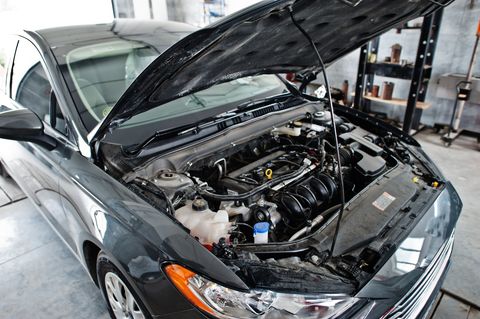
Cars rely on engines to convert energy into motion. Over time, different engine types in cars have been developed to meet changing needs such as fuel efficiency, performance, emissions control, and reliability. Early automobiles used simple internal combustion engines, but advances in engineering have introduced multiple designs and technologies.
Today, the types of car engines vary widely. Some engines use gasoline or diesel, while others combine electric motors with combustion systems. Newer designs also include turbocharging and hybrid systems to improve efficiency and reduce emissions. Understanding how these engines work helps drivers make sense of vehicle performance, maintenance needs, and environmental impact.
At a basic level, a car engine converts fuel into mechanical energy through controlled explosions or electrical energy conversion. The structure, fuel type, and additional technologies determine how efficient and powerful the engine is.
Importance
Knowing about engine types in cars is useful for everyday driving decisions and long-term vehicle use. Different engines affect fuel consumption, maintenance requirements, and driving experience. For example, a fuel efficient car engine can help reduce fuel usage in daily commuting, while other engines may prioritize power or towing capability.
This topic matters because transportation plays a major role in energy use and environmental impact. Governments and manufacturers are focusing on cleaner technologies, and consumers are increasingly aware of emissions and fuel efficiency.
Understanding types of car engines also helps in comparing vehicles realistically. Instead of focusing only on appearance or brand, drivers can evaluate how an engine suits their needs, whether for city traffic, long-distance travel, or mixed driving conditions.
Types of Car Engines Explained
Internal Combustion Engines (ICE)
Internal combustion engines remain the most common type. They burn fuel inside the engine to produce power.
Key types include:
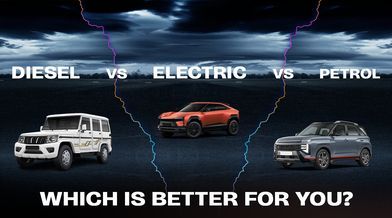
- Petrol engines: These use gasoline and are known for smoother operation and quicker acceleration. They are common in small and medium-sized vehicles.
- Diesel engines: These use diesel fuel and are designed for higher efficiency and torque. They are often used in larger vehicles or those carrying heavier loads.
Electric Engines
Electric engines use battery power instead of fuel combustion. They are quieter and produce no exhaust emissions during operation. Electric vehicles rely entirely on stored electrical energy, which is converted into motion through electric motors.
Hybrid Engines
Hybrid engines combine a traditional combustion engine with an electric motor. This allows the vehicle to switch between or combine power sources. Hybrids aim to improve fuel efficiency and reduce emissions without relying entirely on charging infrastructure.
Turbocharged Engines
Turbocharged engine cars use a turbocharger to increase the amount of air entering the engine. This allows more fuel to be burned, increasing power without significantly increasing engine size.
- A turbocharged petrol engine improves acceleration while maintaining reasonable fuel consumption.
- A turbocharged diesel engine enhances torque, which is useful for highway driving and carrying loads.
Engine Layouts
Engine design also varies based on cylinder arrangement:
- Inline engines: Cylinders are arranged in a straight line, common in many vehicles.
- V-type engines: Cylinders are arranged in a V shape, often used for higher performance.
- Flat engines: Cylinders lie horizontally, lowering the vehicle’s center of gravity.
Comparison of Common Engine Types
| Engine Type | Fuel Type | Efficiency Level | Emissions Level | Typical Use Case |
|---|---|---|---|---|
| Petrol Engine | Gasoline | Moderate | Moderate | City driving, small cars |
| Diesel Engine | Diesel | High | Higher NOx | Long-distance, heavy vehicles |
| Electric Engine | Electricity | High | Very Low | Urban, short to medium trips |
| Hybrid Engine | Mixed | High | Low | Mixed driving conditions |
| Turbocharged Engine | Petrol/Diesel | Improved | Varies | Performance and efficiency |
Recent Updates
In recent years, engine development has focused on reducing emissions and improving efficiency. Between 2024 and 2026, several trends have become more visible.
Manufacturers are increasingly adopting smaller engines with turbocharging. This approach, known as downsizing, allows engines to deliver adequate power while consuming less fuel. Turbocharged engine cars are now common in both compact and mid-sized vehicles.
Hybrid systems have also become more refined. Many vehicles now include mild hybrid or full hybrid systems, which assist the engine during acceleration and reduce fuel consumption in stop-and-go traffic.
Electric vehicles continue to grow in popularity, supported by improvements in battery technology and charging infrastructure. While electric engines are not new, their adoption has increased significantly as governments promote lower-emission transportation.
Another noticeable trend is the integration of smart engine management systems. These systems adjust fuel injection, air intake, and power delivery in real time to improve efficiency and reduce emissions.
Laws or Policies
Engine development and usage are influenced by environmental regulations and government policies. Many countries have introduced emission standards that limit pollutants such as carbon dioxide, nitrogen oxides, and particulate matter.
For example, emission standards like Bharat Stage VI (BS6) in India set strict limits on vehicle emissions. These regulations require manufacturers to design cleaner engines and adopt technologies such as improved fuel injection systems and exhaust treatment.
Fuel efficiency norms also play a role. Governments encourage the development of a fuel efficient car engine by setting targets for average fuel consumption across vehicle fleets.
In addition, policies promoting electric and hybrid vehicles aim to reduce dependence on fossil fuels. These include incentives for lower-emission vehicles and investments in charging infrastructure.
Such regulations shape the types of car engines available in the market and influence how manufacturers design future vehicles.
Tools and Resources
Several tools and platforms can help individuals understand and compare engine types:
- Fuel economy calculators: These estimate fuel consumption based on driving patterns and engine type.
- Vehicle specification websites: Platforms like manufacturer websites and automotive databases provide detailed engine specifications.
- Emission comparison tools: These help users understand the environmental impact of different engines.
- Maintenance guides: Manuals and online resources explain how different engines require different care routines.
- Mobile apps: Some apps track fuel usage, driving habits, and efficiency, offering insights into engine performance.
These resources provide practical information that supports informed decisions about vehicle use and maintenance.
FAQs
What are the main engine types in cars?
The main engine types in cars include petrol engines, diesel engines, electric motors, hybrid systems, and turbocharged engines. Each type differs in how it generates power and uses energy.
Which fuel efficient car engine is suitable for daily commuting?
Hybrid and smaller petrol engines are often used for daily commuting because they balance fuel usage and performance. Electric engines are also suitable for short urban trips where charging access is available.
What are turbocharged engine cars and how do they work?
Turbocharged engine cars use a device called a turbocharger to force more air into the engine. This allows the engine to burn more fuel efficiently and produce greater power without increasing its size.
How do hybrid engines differ from traditional engines?
Hybrid engines combine a combustion engine with an electric motor. This allows the vehicle to use less fuel, especially in city driving, by switching between or combining power sources.
Are electric engines replacing other types of car engines?
Electric engines are becoming more common, but other engine types are still widely used. The transition depends on infrastructure, regulations, and user needs, so multiple engine types continue to coexist.
Conclusion
Car engines have evolved from simple combustion systems to complex and diverse technologies. The different types of car engines each serve specific purposes, balancing efficiency, performance, and environmental impact. Recent developments show a clear shift toward cleaner and more efficient systems, including hybrid and electric options. Understanding these engine types helps clarify how vehicles operate and adapt to modern transportation needs.