Destination Wedding Guide: Explore Basics, Key Details, and Essential Information
A destination wedding refers to a marriage ceremony held in a location away from the couple’s hometown, often chosen for its scenic or cultural appeal. This concept has evolved from traditional local ceremonies into events that combine travel, celebration, and hospitality. Many couples now work with a destination wedding planner to coordinate logistics, venues, and guest arrangements in unfamiliar locations.
The idea gained popularity as travel became more accessible and couples began seeking personalized experiences. Instead of hosting a single-day event, destination weddings often extend into multi-day gatherings, including pre-wedding rituals, cultural activities, and group excursions. Locations vary widely, from coastal areas and hill stations to heritage cities and island settings.
Destination wedding venues and resorts play a central role in this concept. These locations often provide integrated facilities such as accommodation, event spaces, and catering, making it easier to manage multiple aspects of the celebration. Over time, structured destination wedding packages have emerged to streamline planning and coordination.
Importance
Destination weddings are relevant today because they address several practical and social considerations for modern couples. They offer a way to combine travel with meaningful celebrations, allowing families and friends to spend extended time together.
For many people, organizing a wedding in a distant location simplifies guest management. Since travel is involved, guest lists are often more selective, which can reduce logistical complexity. Additionally, destination wedding resorts often provide bundled arrangements that simplify coordination across multiple events.
From a cultural perspective, destination weddings also allow couples to incorporate traditions from different regions. For example, a wedding in Rajasthan may include local music and architecture, while a beach ceremony in Goa may focus on relaxed, coastal themes.
Key challenges addressed include:
- Logistical complexity: A destination wedding planner helps coordinate travel, accommodation, and scheduling.
- Venue limitations: Destination wedding venues provide flexible spaces for ceremonies and receptions.
- Time constraints: Destination wedding packages consolidate planning tasks into structured frameworks.
Overall, this approach reflects changing preferences toward experiential celebrations rather than single-day events.
Recent Updates
Between 2024 and 2026, several trends have shaped how destination weddings are planned and executed.
One noticeable trend is the growing demand for smaller, more focused gatherings. Many couples prefer intimate ceremonies with close family and friends rather than large-scale events. This shift aligns with practical considerations such as travel coordination and guest convenience.
Sustainability has also become a consideration. Couples increasingly explore eco-conscious destination wedding resorts that emphasize reduced waste, local sourcing, and environmentally mindful practices. This includes digital invitations, minimal décor, and reusable materials.
Technology has further influenced planning. Virtual venue tours, digital guest management tools, and online coordination platforms have become more common. These tools help couples evaluate destination wedding venues without needing multiple site visits.
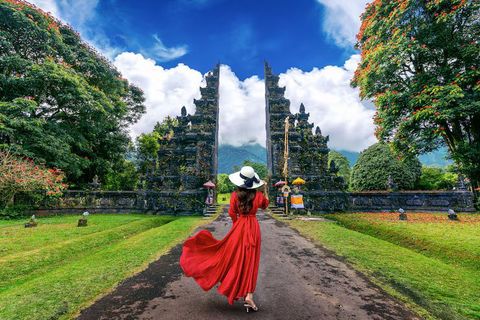
Another development is the diversification of locations. While traditional choices such as Goa, Udaipur, and Jaipur remain popular in India, newer locations such as Coorg, Andaman Islands, and international destinations like Bali and Thailand are gaining attention. This has expanded the range of destination wedding packages available.
Hybrid celebrations have also emerged, where some guests attend in person while others participate through live streaming. This approach accommodates individuals who cannot travel while maintaining inclusivity.
Laws or Policies
Destination weddings are influenced by various legal and administrative requirements, especially when conducted outside the couple’s home region or country.
In India, marriage registration is governed by laws such as the Hindu Marriage Act, Special Marriage Act, and other personal laws depending on religious affiliation. Couples must ensure that their marriage is legally registered in accordance with these regulations, regardless of the wedding location.
For international destination weddings, additional considerations apply:
- Documentation: Passports, visas, and sometimes specific marriage documentation are required.
- Local marriage laws: Each country has its own legal framework for marriage ceremonies, including residency requirements or documentation verification.
- Event permissions: Certain destination wedding venues may require permits for large gatherings, music, or outdoor ceremonies.
- Tax and compliance rules: Hotels and resorts may follow regional taxation policies for event hosting.
In India, some states have regulations regarding noise levels, environmental impact, and event timing. For example, beach weddings may require permissions from local authorities, particularly in coastal zones.
Couples working with a destination wedding planner often rely on them to navigate these requirements. However, it remains important to verify legal compliance independently to avoid complications.
Tools and Resources
Planning a destination wedding involves coordination across multiple domains. Several tools and platforms can assist with organization, communication, and budgeting.
Digital planning tools include:
- Guest management platforms: Tools like WeddingWire and WedMeGood help track RSVPs, accommodations, and schedules.
- Budget calculators: Online spreadsheets or budgeting tools assist in estimating expenses related to travel, venue, and logistics.
- Venue directories: Platforms provide curated lists of destination wedding venues and resorts with details such as capacity and amenities.
- Travel coordination apps: Applications like TripIt help manage itineraries for couples and guests.
Templates and documents commonly used include:
- Event timelines: Structured schedules for ceremonies, receptions, and activities.
- Vendor checklists: Lists for photographers, caterers, decorators, and transport providers.
- Guest information guides: Documents outlining travel details, dress codes, and local information.
Below is a sample comparison table illustrating different types of destination wedding locations:
| Location Type | Common Features | Suitable For |
|---|---|---|
| Beach destinations | Coastal views, open-air setups | Relaxed ceremonies, small groups |
| Heritage cities | Palaces, historic architecture | Traditional and cultural themes |
| Hill stations | Scenic landscapes, cooler climate | Nature-focused gatherings |
| Island locations | Private settings, resort-based events | Exclusive and intimate weddings |
| Urban destinations | Hotels, banquet halls, accessibility | Structured and formal events |
Destination wedding packages often combine accommodation, catering, décor, and event coordination into a single framework. These packages vary depending on location, scale, and customization requirements.
FAQs
What does a destination wedding planner do?
A destination wedding planner manages logistics for weddings held away from the couple’s home location. This includes coordinating destination wedding venues, arranging travel and accommodation, managing vendors, and ensuring the event schedule runs smoothly.
How do destination wedding packages work?
Destination wedding packages typically bundle multiple elements such as venue usage, accommodation, catering, and event coordination. These packages vary depending on the location, number of guests, and level of customization required.
What are common destination wedding venues in India?
Common destination wedding venues in India include palaces in Rajasthan, beach resorts in Goa, and hill properties in Uttarakhand or Himachal Pradesh. Each location offers distinct cultural and environmental settings.
Are luxury destination wedding options different from standard ones?
Luxury destination wedding arrangements often involve premium venues, curated décor, and personalized experiences. These may include private resorts, customized menus, and tailored event schedules.
How far in advance should a destination wedding be planned?
Most destination weddings are planned several months in advance to allow time for venue selection, travel arrangements, and guest coordination. Early planning helps secure preferred destination wedding resorts and manage logistics efficiently.
Conclusion
Destination weddings combine travel and celebration, offering a structured yet flexible approach to modern ceremonies. They rely on careful planning, coordination, and an understanding of location-specific requirements. Destination wedding planners, venues, and packages help streamline the process while accommodating diverse preferences. Legal considerations and logistical planning remain essential for smooth execution. Overall, destination weddings reflect evolving trends in how people approach significant life events.