Minimalist Fashion Trends Explained: Learn Basics, Knowledge, and Style Advice
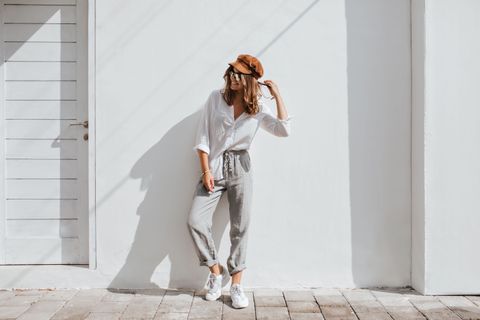
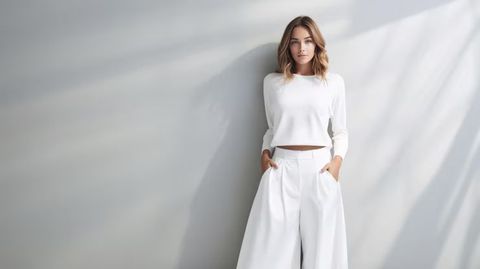
Minimalist fashion is a style approach that focuses on simplicity, functionality, and intentional choices. It is often associated with clean lines, neutral colors, and a limited number of clothing items. The concept draws influence from minimalist art and design movements of the 20th century, where the principle “less is more” became widely recognized.
Over time, minimalist aesthetic fashion evolved from a niche preference into a broader cultural trend. It reflects a shift away from fast-changing styles toward more thoughtful consumption. Today, people exploring minimalist fashion brands or luxury minimalist fashion are often seeking durability, versatility, and understated design rather than bold or complex outfits.
Minimalist fashion is not defined by a strict set of rules. Instead, it is a flexible philosophy that encourages individuals to focus on quality, practicality, and personal expression through fewer but more purposeful clothing choices.
Importance
Minimalist fashion matters in today’s context because it addresses several everyday challenges related to clothing and lifestyle. One key issue is decision fatigue. A smaller wardrobe with clearly defined pieces can simplify daily outfit choices and reduce time spent deciding what to wear.
Another important factor is environmental impact. The rise of sustainable minimalist fashion highlights concerns about textile waste and overproduction. By focusing on long-lasting items, individuals can reduce the frequency of replacing clothing and contribute to more responsible consumption patterns.
This approach also supports financial awareness. While minimalist wardrobes may include higher-quality items, the overall number of pieces is typically lower, which can balance long-term spending.
Minimalist fashion also appeals to people seeking clarity and organization in their lives. A simplified wardrobe often aligns with broader lifestyle choices such as decluttering living spaces and prioritizing essentials over excess.
Recent Updates
From 2024 to 2026, minimalist fashion has continued to evolve alongside broader social and technological trends. One noticeable development is the growing overlap between modern minimalist fashion and digital influence. Social media platforms have contributed to the visibility of capsule wardrobes and outfit repetition, helping normalize the idea of wearing fewer items more frequently.
Another trend is the increasing focus on sustainable minimalist fashion. More brands are incorporating recycled materials, transparent supply chains, and ethical production practices. Consumers are also showing greater interest in understanding where and how their clothing is made.
Luxury minimalist fashion has also expanded. Instead of focusing only on high-profile logos or elaborate designs, luxury collections are emphasizing craftsmanship, fabric quality, and subtle detailing. This shift reflects a broader appreciation for understated elegance.
Technology has also played a role. Wardrobe management apps and digital closet tools allow users to track what they own, plan outfits, and identify gaps in their minimalist wardrobe essentials. These tools make it easier to maintain a consistent and practical wardrobe.
Laws or Policies
Minimalist fashion itself is not directly regulated, but several laws and policies influence how clothing is produced, labeled, and marketed. These regulations are particularly relevant for sustainable minimalist fashion.
In many countries, textile labeling laws require manufacturers to clearly state the materials used in garments. This helps consumers make informed decisions about durability, comfort, and environmental impact.
Environmental regulations also affect fashion production. Policies related to waste management, water usage, and chemical treatment in textiles are becoming stricter. These rules encourage brands to adopt cleaner production methods and reduce pollution.
Labor laws are another important factor. Regulations governing working conditions, wages, and safety standards influence how clothing is manufactured. Ethical considerations are increasingly important for consumers interested in minimalist fashion brands that align with responsible practices.
In some regions, governments have introduced initiatives to promote circular economies. These programs encourage recycling, reuse, and longer product lifecycles, which align closely with minimalist fashion principles.
Tools and Resources
Several tools and resources can support individuals interested in minimalist fashion and wardrobe planning. These resources help with organization, decision-making, and understanding clothing usage patterns.
Digital wardrobe apps, for example, allow users to catalog their clothing and create outfit combinations. This can help identify which items are frequently used and which are not.
Some commonly used tools include:
- Wardrobe tracking apps: Tools like Stylebook or Smart Closet help users organize clothing digitally and plan outfits efficiently.
- Capsule wardrobe templates: Online templates provide structured guidelines for selecting minimalist wardrobe essentials, such as a set number of tops, bottoms, and outerwear pieces.
- Fabric guides: Educational websites explain different materials, helping users choose durable and comfortable fabrics aligned with minimalist aesthetic fashion.
- Sustainability directories: Platforms that list minimalist fashion brands with a focus on ethical production and transparency.
Below is a simple example of how a minimalist wardrobe might be structured:
| Category | Example Items | Purpose |
|---|---|---|
| Tops | Plain t-shirts, button-downs | Everyday wear and layering |
| Bottoms | Jeans, tailored trousers | Versatile combinations |
| Outerwear | Jacket, coat | Seasonal protection |
| Footwear | Sneakers, formal shoes | Functional and adaptable |
| Accessories | Belt, watch, simple bag | Practical additions |
These tools and frameworks help individuals maintain consistency and avoid unnecessary accumulation of clothing.
FAQs
What are minimalist wardrobe essentials?
Minimalist wardrobe essentials are basic, versatile clothing items that can be combined easily. Examples include neutral t-shirts, simple trousers, and a well-fitted jacket. These items form the foundation of a functional wardrobe.
How do minimalist fashion brands differ from traditional brands?
Minimalist fashion brands typically focus on simple designs, limited collections, and long-lasting materials. Their approach often emphasizes consistency and practicality rather than frequent trend changes.
What is luxury minimalist fashion?
Luxury minimalist fashion refers to high-quality clothing with simple designs and refined details. It often highlights craftsmanship, premium fabrics, and subtle styling rather than bold patterns or logos.
How does sustainable minimalist fashion benefit the environment?
Sustainable minimalist fashion reduces waste by encouraging fewer purchases and longer use of clothing. It also supports environmentally responsible production methods and materials.
What defines modern minimalist fashion today?
Modern minimalist fashion combines traditional simplicity with current influences such as digital styling tools and evolving fabric technologies. It maintains clean aesthetics while adapting to contemporary needs.
Conclusion
Minimalist fashion is a practical and adaptable approach to clothing that emphasizes simplicity, quality, and intentional choices. It has evolved from a design philosophy into a widely recognized lifestyle concept. The growing interest in sustainability and digital tools has further shaped its development. By focusing on essential items and thoughtful consumption, minimalist fashion continues to address everyday challenges related to organization, decision-making, and environmental awareness.