Living Room Accent Chair Innovations: Explore Overview, Basics, and Key Details
A living room accent chair is a single-seat chair designed to add comfort, style, and function to a space. Unlike a sofa, which usually anchors the room, an accent chair often plays a supporting role. It might create a reading corner, complete a seating arrangement, or add a standout texture and color.
Historically, accent chairs were introduced to complement sofas and provide additional seating while enhancing the visual appeal of a room. Over time, materials, construction techniques, and user expectations have changed. Contemporary designs now focus on comfort, posture support, and multi-functionality, which has led to innovations like ergonomic cushioning and adjustable mechanisms.
In many homes, the living room serves multiple purposes: relaxation, work, and social interaction. This shift has influenced the demand for furniture that supports different activities without occupying excessive space. As a result, options such as a high quality accent chair for living room settings are designed to meet both practical and aesthetic requirements.
Importance
Accent chair innovations matter because they address everyday comfort and usability challenges. Many people spend extended periods sitting, whether reading, watching television, or working from home. Poor seating can contribute to discomfort or posture-related issues, making ergonomic considerations increasingly relevant.
The introduction of the best ergonomic accent chair concept reflects a growing awareness of body alignment and support. Features such as lumbar cushioning, adjustable angles, and breathable fabrics aim to reduce strain and improve sitting posture. While not medical devices, these chairs can contribute to a more comfortable daily routine.
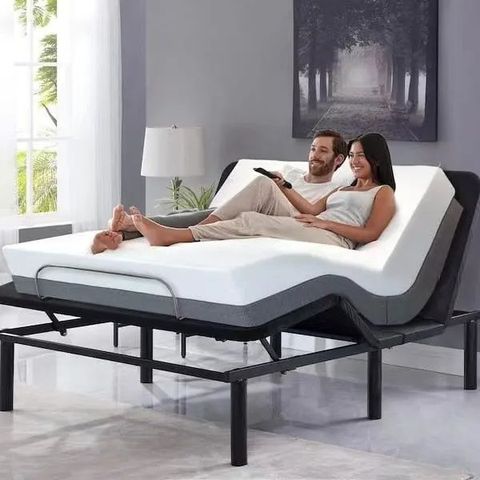
Another important factor is space optimization. Urban living often involves smaller apartments, where furniture must be adaptable. An adjustable living room chair allows users to modify seating positions without requiring additional pieces of furniture. This flexibility helps maximize available space while maintaining functionality.
From a design perspective, a premium designer accent chair can serve as a focal point in a room. These chairs often incorporate distinctive shapes, materials, or finishes that enhance interior aesthetics. They demonstrate how furniture can blend utility with visual expression.
Key practical benefits include:
- Improved comfort: ergonomic features support longer periods of sitting
- Space efficiency: adjustable designs reduce the need for multiple seating options
- Visual appeal: modern styles complement various interior themes
- Versatility: chairs can be used for relaxation, reading, or casual work
Recent Updates
Between 2024 and 2026, several trends have influenced the development of accent chairs. One noticeable shift is the integration of smart features. Some modern recliner accent chair models now include built-in USB ports, wireless charging pads, and motorized reclining systems controlled through buttons or mobile applications.
Sustainability has also become a significant focus. Manufacturers are increasingly using recycled materials, responsibly sourced wood, and low-emission fabrics. This trend reflects a broader movement toward environmentally conscious furniture production.
Another development is modular design. Many adjustable living room chair options are now designed to be easily reconfigured or paired with other furniture components. This approach allows users to adapt their seating arrangements based on changing needs.
Comfort technology has advanced as well. Memory foam, gel-infused cushions, and breathable upholstery materials are commonly used to enhance comfort and durability. These features are particularly relevant in the design of a high quality accent chair for living room use, where long-term comfort is a priority.
The table below summarizes key innovation areas:
| Innovation Area | Description | Practical Impact |
|---|---|---|
| Smart features | USB ports, motorized reclining | Added convenience and connectivity |
| Sustainable materials | Recycled fabrics, certified wood | Reduced environmental impact |
| Modular design | Reconfigurable components | Flexible space usage |
| Ergonomic support | Lumbar cushions, adaptive padding | Improved comfort during prolonged sitting |
| Compact engineering | Space-saving frames and folding mechanisms | Suitable for smaller living spaces |
Laws or Policies
Furniture design and manufacturing are influenced by safety standards and regulations that vary by country. In India, several guidelines ensure that living room chairs meet quality and safety requirements.
The Bureau of Indian Standards (BIS) sets specifications for furniture durability, stability, and material safety. These standards help ensure that products like a premium designer accent chair or adjustable living room chair are structurally sound and safe for everyday use.
Fire safety regulations also play a role. Upholstered furniture must often comply with flammability standards to reduce fire risks in residential environments. These rules influence the choice of fabrics and cushioning materials used in accent chairs.
Environmental regulations are increasingly relevant as well. Policies encourage the use of sustainable materials and limit harmful emissions from furniture finishes and adhesives. This aligns with the growing demand for eco-conscious products.
Consumer protection laws ensure that product descriptions are accurate and not misleading. This is particularly important when describing features such as ergonomic support or adjustable mechanisms. Clear labeling helps consumers understand what a modern recliner accent chair or high quality accent chair for living room use actually provides.
Tools and Resources
Several tools and resources can help individuals understand and evaluate accent chair options before making a decision.
Online room planners allow users to visualize how a chair will fit within a living space. These tools often include measurements and layout customization, helping users assess scale and placement.
Furniture specification guides provide detailed information about dimensions, materials, and weight capacity. These guides are useful for comparing different models, including premium designer accent chair options.
Ergonomic assessment tools can help users evaluate seating posture and comfort. While not specialized medical tools, they offer general guidance on seat height, back support, and armrest positioning.
Material comparison charts are another useful resource. They outline differences between upholstery types such as leather, fabric, and synthetic blends, helping users understand durability and maintenance requirements.
Commonly used resources include:
- Interior design software: helps visualize room layouts and furniture placement
- Manufacturer specification sheets: provide technical details about chair construction
- Ergonomic checklists: outline key comfort features to consider
- Material guides: explain characteristics of different upholstery options
These tools support informed decision-making by presenting clear and structured information.
FAQs
What is a modern recliner accent chair?
A modern recliner accent chair is a seating option that combines the appearance of an accent chair with reclining functionality. It often includes adjustable backrests and footrests, allowing users to change positions for comfort.
How does a high quality accent chair for living room use differ from standard chairs?
A high quality accent chair for living room settings typically uses durable materials, improved cushioning, and refined construction techniques. It is designed for both comfort and long-term use, often incorporating ergonomic features.
What features define the best ergonomic accent chair?
The best ergonomic accent chair generally includes lumbar support, appropriate seat depth, and adjustable angles. These features help maintain proper posture and reduce discomfort during extended sitting periods.
Can I buy luxury accent chair online safely?
When choosing to buy luxury accent chair online, it is important to review product specifications, dimensions, and material details. Checking return policies and product descriptions can help ensure the chair meets expectations.
What is an adjustable living room chair used for?
An adjustable living room chair allows users to modify seating positions, such as reclining or changing seat angles. This flexibility makes it suitable for activities like reading, relaxing, or casual work.
Conclusion
Accent chair innovations reflect changing lifestyles, where comfort, flexibility, and design all play important roles. Features such as ergonomic support, adjustable mechanisms, and sustainable materials have become increasingly common. These developments address practical needs while also enhancing the visual appeal of living spaces. As living rooms continue to serve multiple functions, adaptable seating solutions remain relevant.