How to Study Smarter, Not Longer: Explore Effective Basics, Tips, and Key Insights
Learning how to study effectively is a common concern for students of all ages. The idea of studying smarter, not longer, comes from research in cognitive science and education that shows how the brain processes, stores, and retrieves information. Instead of focusing only on time spent studying, this approach emphasizes methods that improve understanding and memory.
Traditional study habits often rely on repetition, highlighting, or long hours of reading. However, these methods do not always lead to long-term retention. Over time, educators and researchers have explored how people learn faster and remember more by using structured techniques such as spaced repetition, active recall, and practice testing.
The concept has evolved alongside changes in education systems, technology, and access to information. Today, study strategies for high grades are increasingly based on evidence rather than habit. This shift helps learners use their time efficiently while improving outcomes in exams and real-world applications.
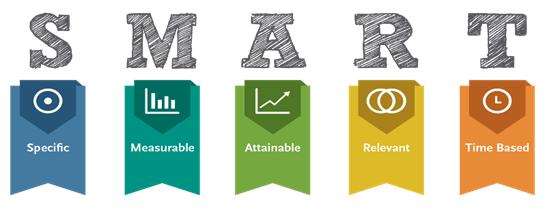
Importance
Understanding how to study for exams efficiently matters because many learners face time constraints, distractions, and information overload. Students often balance multiple subjects, assignments, and personal responsibilities, making it difficult to maintain consistent focus.
Effective exam preparation methods address several common challenges:
- Limited time, where learners need to prioritize important topics
- Poor retention, when information is forgotten quickly after studying
- Lack of engagement, leading to reduced concentration and motivation
- Inefficient habits, such as passive reading or last-minute cramming
These challenges affect school students, college learners, and even working professionals preparing for certifications. Learning how to learn faster and remember more can reduce stress and improve confidence during exams.
In addition, educational environments are becoming more competitive. Assessment methods now test understanding and application rather than memorization alone. As a result, using structured and efficient study approaches helps learners adapt to these expectations.
Recent Updates
Recent trends between 2024 and 2026 show a growing focus on personalized learning and digital study tools. Educational platforms are incorporating adaptive learning systems that adjust content based on a learner’s progress and performance.
There is also increased awareness of cognitive science principles in everyday study routines. Techniques such as spaced repetition and retrieval practice are no longer limited to academic research; they are widely discussed in educational content and integrated into learning apps.
Another development is the use of short, focused study sessions rather than long, uninterrupted hours. This approach aligns with research on attention span and mental fatigue. Many learners now follow structured cycles, such as studying for a set period followed by short breaks.
Hybrid learning environments, combining online and offline education, have also influenced how students prepare for exams. Access to recorded lectures, digital notes, and online assessments allows learners to revisit material multiple times, supporting better retention.
Laws or Policies
Study habits and educational strategies are indirectly shaped by national education policies. In countries like India, frameworks such as the National Education Policy (NEP) emphasize conceptual understanding over rote memorization. This shift encourages students to adopt effective exam preparation methods that focus on comprehension and application.
Assessment reforms in schools and universities also influence how students study. Continuous evaluation systems, internal assessments, and project-based learning require consistent preparation rather than last-minute revision.
Digital education initiatives supported by governments have expanded access to online learning platforms and resources. These initiatives promote self-paced learning, making it easier for students to apply study strategies for high grades outside traditional classrooms.
In addition, guidelines around mental well-being in education highlight the importance of balanced study routines. Schools and institutions increasingly recognize that excessive study hours without effective methods can lead to burnout.
Tools and Resources
Modern learners have access to a wide range of tools that support learning how to study effectively. These tools help organize information, improve retention, and track progress.
Digital Learning Platforms
Platforms that provide structured courses, video lectures, and quizzes help learners review concepts systematically. Many include progress tracking features that identify weak areas.
Flashcard Applications
Flashcards are commonly used for spaced repetition. They allow learners to revisit information at intervals, improving long-term memory. These tools are particularly useful for vocabulary, formulas, and definitions.
Note-Taking Methods
Different note-taking approaches can improve understanding:
- The Cornell method, which divides notes into sections for summaries and key points
- Mind mapping, which visually connects ideas and concepts
- Outline format, which organizes information hierarchically
Time Management Tools
Timers and planning apps help structure study sessions. Techniques such as fixed study intervals followed by breaks support sustained focus.
Practice Test Resources
Mock exams and question banks allow learners to apply knowledge and identify gaps. Regular testing is a key part of how to study for exams efficiently.
Below is a simple comparison of common study techniques and their benefits:
| Study Technique | Key Benefit | When to Use |
|---|---|---|
| Active recall | Improves memory retrieval | During revision sessions |
| Spaced repetition | Strengthens long-term retention | Over multiple study days |
| Practice testing | Identifies weak areas | Before exams |
| Interleaving topics | Enhances problem-solving | While studying multiple subjects |
| Summarization | Improves understanding | After reading new material |
Effective Basics and Key Insights
Understanding Active Learning
Active learning involves engaging directly with the material instead of passively reading or listening. Examples include solving problems, explaining concepts aloud, and answering questions without referring to notes.
This method supports how to learn faster and remember more because it forces the brain to retrieve information, strengthening memory pathways.
Using Spaced Repetition
Spacing study sessions over time is more effective than studying the same material repeatedly in one sitting. Reviewing content at increasing intervals helps transfer knowledge into long-term memory.
For example, a learner might review a topic after one day, then three days, and then one week.
Practicing Retrieval
Retrieval practice involves testing yourself on the material instead of re-reading it. This can include quizzes, flashcards, or writing down everything remembered about a topic.
This method is widely recognized as a core component of effective exam preparation methods.
Managing Cognitive Load
Studying large amounts of information at once can overwhelm the brain. Breaking content into smaller sections helps improve comprehension.
Short study sessions with clear goals are often more effective than long, unfocused sessions.
Building Consistent Habits
Consistency plays a key role in study strategies for high grades. Regular study sessions, even if shorter, are more effective than irregular, lengthy sessions.
Creating a routine helps reinforce learning and reduces the need for last-minute preparation.
Practical Tips for Studying Smarter
Structuring Study Sessions
A well-structured session includes reviewing previous material, learning new content, and testing understanding. This approach ensures continuous reinforcement.
Eliminating Distractions
Reducing interruptions improves focus. This can involve turning off notifications, choosing a quiet environment, or using apps that limit screen distractions.
Setting Clear Goals
Each study session should have a specific objective, such as completing a chapter or solving a set number of problems. Clear goals help maintain direction and efficiency.
Using Multiple Learning Methods
Combining different techniques, such as reading, writing, and testing, improves understanding. This approach engages different parts of the brain.
Reviewing Mistakes
Analyzing errors in practice tests helps identify patterns and gaps in knowledge. This step is essential for improving performance over time.
FAQs
What is the most effective way for learning how to study effectively?
The most effective approach combines active recall, spaced repetition, and regular testing. These methods improve understanding and long-term memory rather than relying only on repetition.
How can I learn faster and remember more in less time?
Focusing on short, structured study sessions and using techniques like retrieval practice can help improve efficiency. Reviewing material at intervals also supports better retention.
What are some practical ways to study for exams efficiently?
Using practice tests, summarizing key concepts, and prioritizing important topics are practical methods. Managing time and avoiding distractions also play a significant role.
Which study strategies help in achieving high grades?
Consistent study routines, active engagement with material, and regular self-assessment are key strategies. Understanding concepts rather than memorizing them is also important.
Are digital tools useful for effective exam preparation methods?
Digital tools can support organization, revision, and practice. However, their effectiveness depends on how they are used alongside proven study techniques.
Conclusion
Studying smarter focuses on improving how learning happens rather than increasing study time. Techniques such as active recall, spaced repetition, and structured sessions help strengthen understanding and memory. Modern tools and educational trends support these methods, making them more accessible. By adopting consistent and efficient strategies, learners can approach exams with better preparation and reduced stress.